

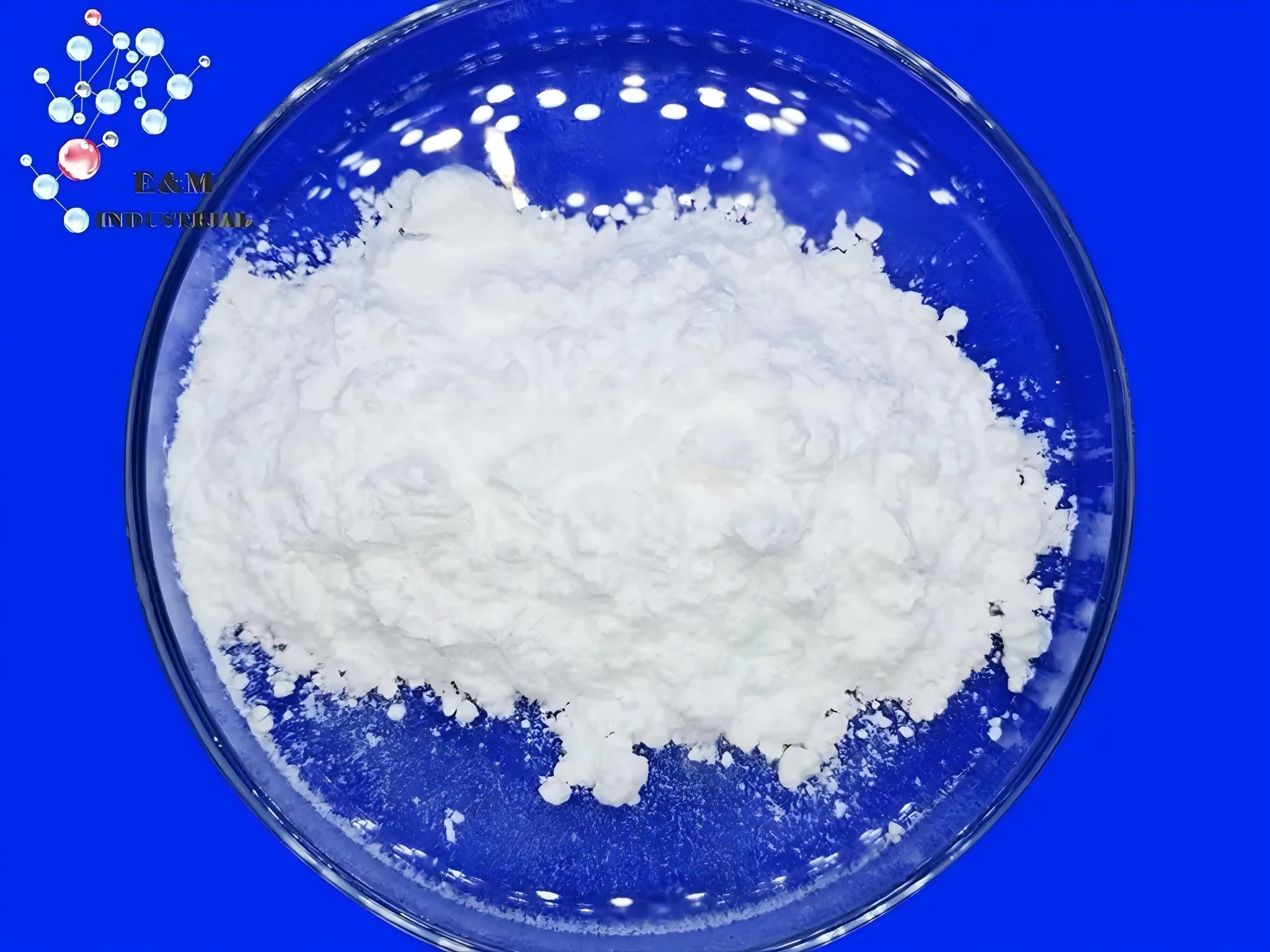
Potassium perchlorate (chemical formula: KClO₄) is a high-performance inorganic compound recognized for its strong oxidizing properties, primarily used in industrial and specialty applications. Available as a white crystalline powder (also referred to as "quicksand" in some contexts), it adheres to strict quality standards and is supported by comprehensive documentation (TDS/MSDS) for legitimate industrial use. This article systematically outlines its core attributes, technical specifications, application fields, and safety guidelines based on official product data.
Basic Properties and Core Traits
Potassium perchlorate is a solid inorganic compound with distinct chemical and physical characteristics that define its industrial utility:
- Chemical Identity: Molecular formula KClO₄, CAS No. 7778-74-7, and HS Code 2829900020, ensuring compliance with global classification and trade standards.
- Physical Appearance: Typically presents as white crystals or a fine white powder, with consistent texture across industrial-grade batches.
- Purity: Industrial-grade products maintain a purity level of 99.2%, meeting the precision requirements of oxidant-dependent applications.
- Key Trait: Possesses strong oxidizing properties, which are central to its functionality in energy-releasing or combustion-related processes, while remaining stable under controlled storage conditions.
- Solubility: Soluble in water but insoluble in alcohol, a property that influences its handling and formulation in industrial processes.
Technical Specifications
Potassium perchlorate adheres to rigorous industrial parameters to ensure reliability and safety in application. Key specifications include:
- Molecular Formula: KClO₄
- Physical Form: Solid (crystal or powder)
- Appearance: White crystal or white powder
- Solubility: Soluble in water; insoluble in alcohol
- CAS Number: 7778-74-7
- UN Number: 1489 (for international transport compliance)
- Hazard Class: 5.1 (oxidizing substance), requiring specialized handling to mitigate fire/explosion risks
- Packaging:
- Available in drums or woven bags lined with plastic, with two primary weight options: 50kg per drum/bag (gross weight: 53.4kg) or 25kg per bag.
- Container Loading Capacity: A 20ft container can hold a maximum of 27 tons, regardless of whether pallets are used.
- Documentation: Supplied with TDS (Technical Data Sheet) and MSDS (Material Safety Data Sheet) to support safe handling and regulatory compliance.
Industrial Applications
Leveraging its strong oxidizing properties, potassium perchlorate is integral to several industrial and specialty sectors:
- Pyrotechnics & Incendiaries: A critical component in fireworks manufacturing, where it contributes to controlled combustion and vibrant flame effects. It is also used in the production of incendiary devices and safety matches, ensuring reliable ignition and burn performance.
- Pharmaceutical Industry: Utilized in the formulation of antipyretic (fever-reducing) medications, leveraging its stable chemical properties for controlled drug delivery.
- Signaling & Safety Devices: Incorporated into luminescent signals and smoke agents, where its oxidizing capacity ensures consistent light emission or smoke production for emergency or communication purposes.
- Chemical Analysis: Serves as a reagent in chemical analysis, providing precise oxidizing conditions for detecting or quantifying target substances in laboratory settings.
- General Oxidant Use: Functions as a high-performance oxidant in industrial processes requiring controlled energy release, such as in certain metallurgical or chemical synthesis applications.
Safety, Storage, and Transportation Guidelines
Due to its classification as a Hazard Class 5.1 oxidizing substance, potassium perchlorate requires strict safety protocols throughout handling, storage, and transport:
- Storage Conditions:
- Store in a cool, dry, well-ventilated area, away from ignition sources (sparks, open flames) and combustible materials (wood, oil, organic solvents) to prevent fire or explosion.
- Ensure containers are tightly sealed to avoid moisture absorption (which may affect stability) and contamination.
- Handling Precautions:
- Wear appropriate personal protective equipment (PPE), including chemical-resistant gloves, goggles, and dust masks, to prevent skin/eye contact or inhalation of powder.
- Avoid mechanical impact or friction during handling, as excessive force may trigger reactive behavior in the presence of organic materials.
- Transport Compliance:
- Adhere to international transport regulations for UN 1489, including proper labeling (Hazard Class 5.1), secure packaging, and separation from incompatible cargo (e.g., reducing agents, flammables).
- Use transport vehicles equipped with fire-extinguishing equipment suitable for oxidizer-related fires (e.g., dry chemical extinguishers; avoid water in large quantities, as it may spread soluble oxidants).
- Regulatory Note: Intended for legitimate industrial use only. Users must comply with local, national, and international regulations governing the purchase, storage, and application of oxidizing substances.
For detailed technical data, batch-specific documentation, or customization options for industrial applications, visit Potassium Perchlorate.
https://www.emilcq.com/potassium-perchloratequicksand-white-powder
结合页面内容为主题,写一个完整的英文文章,语气保持中性风格。要求:标题+正文,加锚文本链接。
Potassium Perchlorate: Properties, Specifications, Applications, and Safety Guidelines
Potassium perchlorate (chemical formula: KClO₄) is a high-performance inorganic compound known for its strong oxidizing properties. Commonly appearing as white crystalline powder (sometimes referred to as "quicksand" in industrial contexts), it is widely used in industrial and specialty fields, adhering to strict quality standards and supported by comprehensive technical documentation (TDS/MSDS). This article objectively outlines its core attributes, technical specifications, application scenarios, and safety protocols based on official product data.
Basic Properties and Core Characteristics
Potassium perchlorate exhibits distinct chemical and physical traits that determine its industrial utility:
- Chemical Identification: Molecular formula KClO₄, with CAS No. 7778-74-7 and HS Code 2829900020, ensuring alignment with global classification and international trade regulations.
- Physical Appearance: Typically exists as white crystals or fine white powder, with consistent texture and no visible impurities in industrial-grade batches.
- Purity Standard: Industrial-grade potassium perchlorate maintains a purity level of 99.2%, meeting the precision requirements of applications dependent on stable oxidizing performance.
- Key Trait: Possesses strong oxidizing capabilities, which are essential for its function in energy-release or combustion-related processes. It remains chemically stable under controlled storage conditions.
- Solubility: Soluble in water but insoluble in alcohol—a property that influences its formulation and handling in various industrial processes.
Technical Specifications
Potassium perchlorate follows rigorous industrial parameters to ensure reliability and safety in practical use. Key specifications include:
- Molecular Formula: KClO₄
- Physical Form: Solid (available as crystals or powder)
- Appearance: White crystal or white powder
- Solubility: Soluble in water; insoluble in alcohol
- CAS Number: 7778-74-7
- UN Number: 1489 (for compliance with international transport regulations)
- Hazard Class: 5.1 (oxidizing substance), requiring specialized handling to mitigate fire and explosion risks
- Packaging:
- Offered in plastic-lined drums or woven bags, with two standard weight options: 50kg per drum/bag (gross weight: 53.4kg) and 25kg per bag.
- Container Loading Capacity: A 20ft container can hold a maximum of 27 tons, regardless of whether pallets are used.
- Supporting Documentation: Provided with TDS (Technical Data Sheet) and MSDS (Material Safety Data Sheet) to guide safe handling, storage, and regulatory compliance.
Industrial Application Fields
Leveraging its strong oxidizing properties, potassium perchlorate plays a critical role in multiple industrial and specialty sectors:
- Pyrotechnics and Incendiaries: A core component in fireworks manufacturing, where it enables controlled combustion and enhances flame vibrancy. It is also used in producing incendiary devices and safety matches, ensuring reliable ignition and consistent burn performance.
- Pharmaceutical Industry: Utilized in formulating antipyretic (fever-reducing) medications, thanks to its stable chemical properties that support controlled drug delivery and efficacy.
- Signaling and Safety Devices: Incorporated into luminescent signals and smoke agents, where its oxidizing capacity ensures steady light emission or smoke production for emergency communication and safety purposes.
- Chemical Analysis: Serves as a reagent in laboratory settings, providing precise oxidizing conditions for detecting or quantifying target substances in chemical analysis processes.
- Industrial Oxidant: Functions as a high-performance oxidant in industrial processes requiring controlled energy release, such as specific metallurgical operations and chemical synthesis reactions.
Safety, Storage, and Transportation Guidelines
As a Hazard Class 5.1 oxidizing substance, potassium perchlorate demands strict safety protocols throughout handling, storage, and transportation:
- Storage Conditions:
- Store in a cool, dry, and well-ventilated area. Keep away from ignition sources (e.g., sparks, open flames) and combustible materials (e.g., wood, oil, organic solvents) to prevent fire or explosion.
- Ensure containers are tightly sealed to avoid moisture absorption (which may compromise stability) and cross-contamination.
- Handling Precautions:
- Wear appropriate personal protective equipment (PPE), including chemical-resistant gloves, safety goggles, and dust masks, to prevent skin/eye contact or inhalation of powder.
- Avoid mechanical impact or friction during handling, as excessive force may trigger reactive behavior when in contact with organic materials.
- Transport Compliance:
- Adhere to international regulations for UN 1489, including proper hazard labeling (Hazard Class 5.1), secure packaging, and separation from incompatible cargo (e.g., reducing agents, flammable substances).
- Use transport vehicles equipped with fire-extinguishing equipment suitable for oxidizer-related fires (e.g., dry chemical extinguishers; avoid large quantities of water, which may spread soluble oxidants).
- Regulatory Note: Intended for legitimate industrial use only. Users must comply with local, national, and international laws governing the purchase, storage, and application of oxidizing substances.
For detailed technical data, batch-specific documentation, or customization options for industrial applications, visit Potassium Perchlorate.

 English
 Arabic
 French
 Spanish
 Portuguese
 Deutsch
 Turkish
 Dutch
Dutch
 Italiano
 Romaian
 Portuguese (Brazil)
 Greek
Greek