

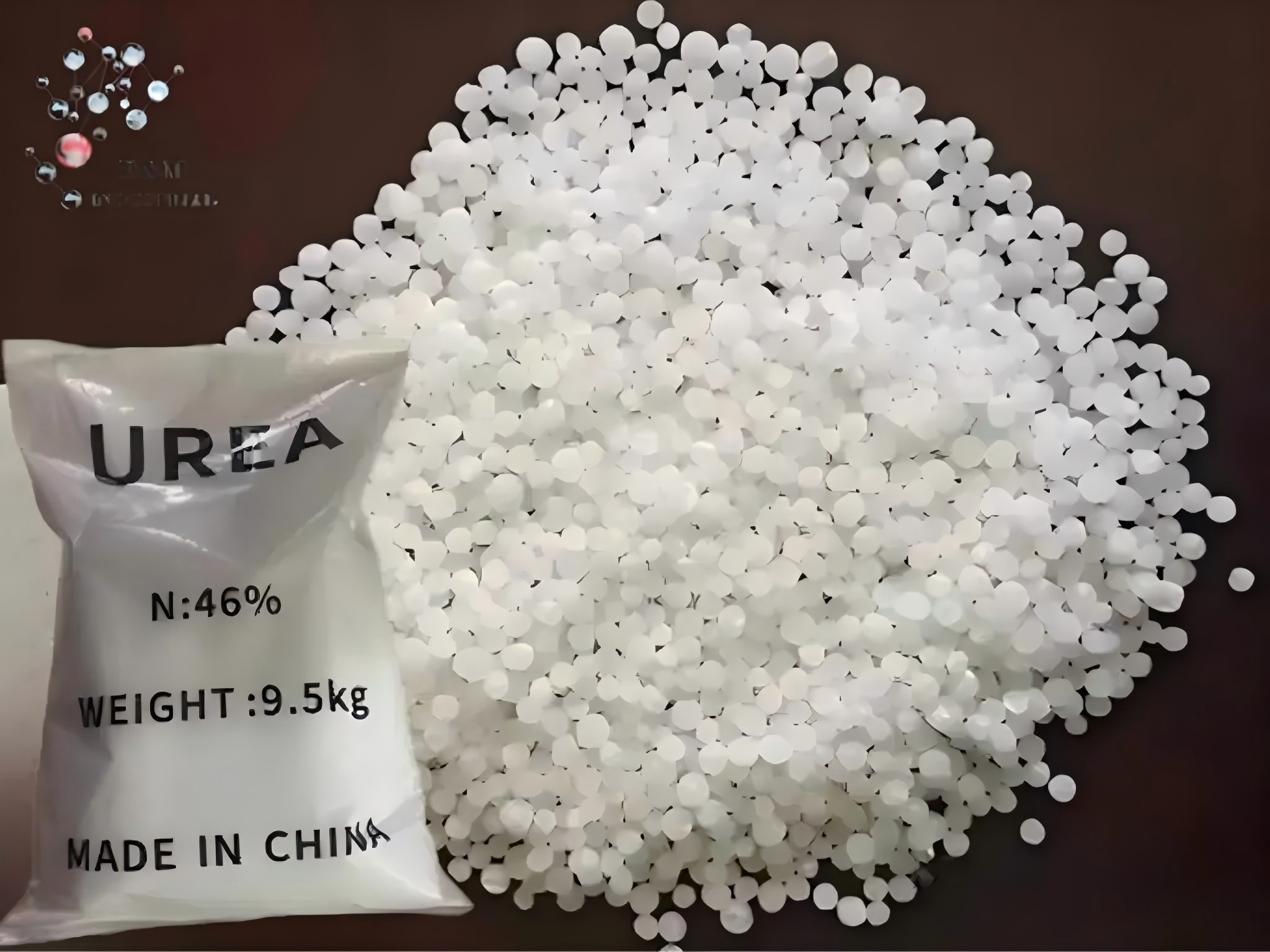
As the world’s top producer and exporter of urea, China holds a decisive position in the global nitrogen fertilizer market. Yet its export policies are highly responsive to domestic agricultural needs, energy costs, and environmental rules, creating constant shifts for international buyers.
By mid‑March 2026, China’s renewed focus on domestic supply stability, combined with Middle East geopolitical tensions pushing up natural gas prices, has triggered major ripple effects across the urea supply chain. For global bulk commodity purchasers, sourcing urea from China is no longer just about comparing unit prices. Today’s buyers must navigate strict export quotas, upgraded CIQ inspection rules, and increasingly complex port logistics to secure reliable shipments.
Current Urea Market Dynamics in China (2026)
China’s urea industry continues balancing two core goals: securing sufficient domestic fertilizer supplies and sustaining its role as a key global supplier.
Why Export Restrictions Are Tightening in Q2 2026
In the second quarter of 2026, Chinese authorities reinforced the domestic supply first policy. On March 14, 2026, a new official directive was issued to guarantee adequate nitrogen fertilizer for upcoming spring planting. Even though China’s total urea capacity hit a record 77.5 million tonnes, rising global energy costs and national food security objectives remain government priorities.
For international importers, this means attractive factory offers may not translate into actual shipments. Export licenses are now issued strictly under a manufacturer quota allocation system, with priority given to producers that have fulfilled their domestic supply obligations. As a result, effective export windows are narrowing.
CIQ Inspection: The Biggest Operational Challenge in 2026
Commodity Inspection and Testing (CIQ) has become far more rigorous compared with previous years. Historically, standard CIQ checks took 7–14 days. As of April 2026, major ports including Tianjin and Qingdao show clear changes:
- Longer processing cycles: Inspection certificates now take 30–45 days to issue.
- Port congestion: Vessels frequently face delays because goods arrive at ports without final customs release documents.
- Tighter documentation: Any inconsistency in declared product grade can lead to immediate rejection of the cargo.
How to Verify Reliable Urea Suppliers in China (2026)
Simple online searches or platform listings are no longer enough. Buyers must clearly distinguish production capacity from actual export capability.
Large Producers vs. Export‑Capable Suppliers
Industry leaders such as Hualu‑Hengsheng, Luxi Chemical, and CNOOC maintain massive output across Shandong, Shanxi, and other provinces. Yet by 2026, many top‑tier factories have already used up their quarterly export quotas.
Practical tip: Prioritize suppliers with a proven record of stable quota access. In 2026, trustworthy partners should be able to provide valid export licenses and recent customs declaration records from the past 30 days.
Agricultural Grade vs. Industrial/Technical Grade
A key regulatory divergence is emerging in April 2026:
- Agricultural Grade urea (46% nitrogen): Under the tightest spring peak controls.
- Industrial/Technical Grade (DEF/SCR grade): Benefits from a more flexible export window, as it is not directly linked to seasonal farming demand.
If your application permits, choosing technical grade urea can significantly speed up delivery.
Strategic Sourcing Tips for Global B2B Buyers
In a volatile policy environment, waiting for lower prices is a high‑risk approach. Professional importers are using these tactics to lock in urea supplies:
- Advance compliance preparationBegin supplier due diligence at least 90 days before you need cargo. Confirm your supplier is properly registered for your required urea grade and has completed CIQ pre‑filing.
- Leverage bonded warehouse advantagesSuppliers with access to free trade zone bonded warehouses hold a strong edge. Goods stored there often complete preliminary inspections, enabling faster loading once vessel space is confirmed.
- Consider nitrogen alternativesWhen urea exports are restricted, explore ammonium sulfate (21% nitrogen). It currently faces fewer export limitations in China and works well for many agricultural and industrial fertilizer blends.
Logistics & Compliance for Shipping Urea from China
Packaging Standards
CIQ now enforces packaging rules with greater scrutiny.
- Standard formats: 50 kg PP/PE bags or 1000 kg / 1200 kg jumbo bags.
- Labeling rules: Labels must match CIQ declarations exactly. Marking technical‑grade cargo as “for agricultural use” can result in an immediate export ban.
Third‑party inspections
Mandatory inspections by SGS or Intertek at the loading port are strongly recommended. Beyond quality verification, inspectors help confirm that quantity and packaging fully align with export license details, preventing last‑minute clearance failures.
Partnering for Success in China’s 2026 Urea Market
The 2026 China urea market is driven by policy, not just production capacity. In this landscape, transparent, real‑time information is a buyer’s most valuable asset.
A low price quote means nothing if cargo cannot leave Chinese ports. To succeed in 2026, you need a partner that understands CIQ timelines, maintains strong relationships with quota‑active manufacturers, and can overcome logistical barriers amid export controls.
Whether you are planning urea shipments for Q2 or Q3 2026, timely access to updated compliance data and real‑time availability can make or break your supply chain.

 English
 Arabic
 French
 Spanish
 Portuguese
 Deutsch
 Turkish
 Italiano
 Russian
 Romaian
 Portuguese (Brazil)
 Greek
Greek