

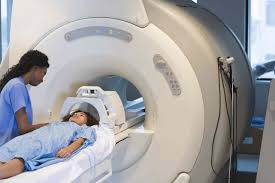
Healthcare is rapidly shifting from treatment to prevention, and one technology leading this transformation is the MRI scan. Whole-body MRI screening offers a comprehensive way to examine your entire body in a single session, helping detect hidden diseases and potential health risks early. This proactive approach empowers individuals to take control of their health before conditions become serious.
An MRI scan, or Magnetic Resonance Imaging, uses strong magnetic fields and radio waves to create detailed images of the body’s internal structures. Unlike X-rays or CT scans, it does not use harmful radiation, making it a safer option for routine screenings. With its ability to capture high-resolution images of soft tissues, organs, and bones, MRI has become a trusted tool in modern diagnostics.
Detecting Cancer Before Symptoms Appear
One of the most important advantages of a whole-body MRI scan is early cancer detection. Many types of cancer develop silently and only show symptoms at advanced stages. MRI screening can identify tumors and abnormal growths in organs such as the liver, pancreas, lungs, and even soft tissues.
Because an MRI scan provides detailed imaging, it allows doctors to spot even small abnormalities that might otherwise go unnoticed. Early detection can dramatically improve treatment success rates and may reduce the need for aggressive therapies like chemotherapy or surgery. This makes MRI screening a valuable tool for individuals looking to stay ahead of serious illnesses.
Understanding Heart and Blood Vessel Health
Cardiovascular diseases often develop gradually and without clear warning signs. A whole-body MRI scan offers a detailed assessment of the heart and blood vessels, helping detect issues such as blocked arteries, aneurysms, and structural abnormalities.
With the insights gained from an MRI scan, doctors can recommend preventive measures such as lifestyle changes, medications, or further testing. Early identification of heart-related problems can significantly reduce the risk of life-threatening events like heart attacks or strokes.
Identifying Neurological Conditions Early
The brain and spinal cord are among the most complex systems in the body, and diagnosing their conditions requires advanced imaging. An MRI scan is particularly effective in detecting neurological disorders such as multiple sclerosis, brain tumors, and spinal cord abnormalities.
MRI technology can reveal subtle changes in brain tissue, including inflammation or lesions, which are often early indicators of neurological diseases. Early diagnosis allows for better management of these conditions and can improve quality of life through timely treatment.
Evaluating Bones, Joints, and Muscles
A whole-body MRI scan is also highly effective in assessing musculoskeletal health. It can detect fractures, ligament injuries, and degenerative conditions like arthritis.
For individuals experiencing chronic pain, stiffness, or reduced mobility, MRI screening can uncover underlying issues that may not be visible through other diagnostic methods. Athletes and physically active individuals can also benefit from early detection of minor injuries, preventing them from becoming serious problems.
Comprehensive Organ Screening
Internal organs such as the liver, kidneys, pancreas, and lungs play critical roles in maintaining overall health. Unfortunately, diseases affecting these organs often remain undetected until they are advanced. A whole-body MRI scan provides a thorough evaluation of these organs, identifying abnormalities such as cysts, tumors, or inflammation.
By detecting these issues early, patients can receive timely treatment and avoid complications. This comprehensive organ screening is one of the key reasons why MRI scans are becoming increasingly popular in preventive healthcare.
Safe and Non-Invasive Technology
One of the standout benefits of an MRI scan is its safety. Since it does not use ionizing radiation, it is suitable for repeated use and long-term monitoring. The procedure is non-invasive and painless, although it requires the patient to lie still during the scan.
Advancements in MRI technology have made the process faster and more comfortable, with improved imaging quality and reduced scan times. This makes whole-body MRI screening a convenient option for individuals seeking a complete health evaluation.
A Proactive Step Toward Better Health
Whole-body MRI screening represents a forward-thinking approach to healthcare. Instead of reacting to symptoms, it allows individuals to identify potential risks early and take preventive action. This is especially beneficial for people with a family history of chronic diseases or those who want a detailed understanding of their health.
However, it is important to remember that an MRI scan should be part of a broader health strategy. Regular medical check-ups, a balanced diet, and an active lifestyle remain essential for maintaining overall well-being.
Conclusion
The MRI scan has revolutionized the way we detect and monitor diseases, offering a comprehensive and accurate view of the body’s internal health. From identifying cancer and cardiovascular conditions to diagnosing neurological and musculoskeletal disorders, whole-body MRI screening provides invaluable insights.
By choosing an MRI scan as part of your preventive healthcare routine, you are investing in early detection, better treatment outcomes, and long-term peace of mind. In a world where health risks can often go unnoticed, this advanced technology ensures that you stay informed, prepared, and in control of your well-being.

 Arabic
 French
 Spanish
 Portuguese
 Deutsch
 Turkish
 Dutch
Dutch
 Italiano
 Russian
 Romaian
 Portuguese (Brazil)
 Greek
Greek