

lost wax casting, also known as investment casting, is a highly precise metal casting process used to produce complex and detailed components. This technique has been used for thousands of years, dating back to ancient civilizations, and remains popular in modern manufacturing for producing intricate parts with tight tolerances.
The process begins with creating an exact wax model of the desired part. Multiple wax models are often assembled onto a central sprue, forming a structure known as a wax tree. The wax assembly is then coated with a refractory ceramic material, layer by layer, until a strong shell is formed around the wax. Once the ceramic shell is hardened, the wax is melted and drained out, leaving a hollow cavity in the exact shape of the original model.
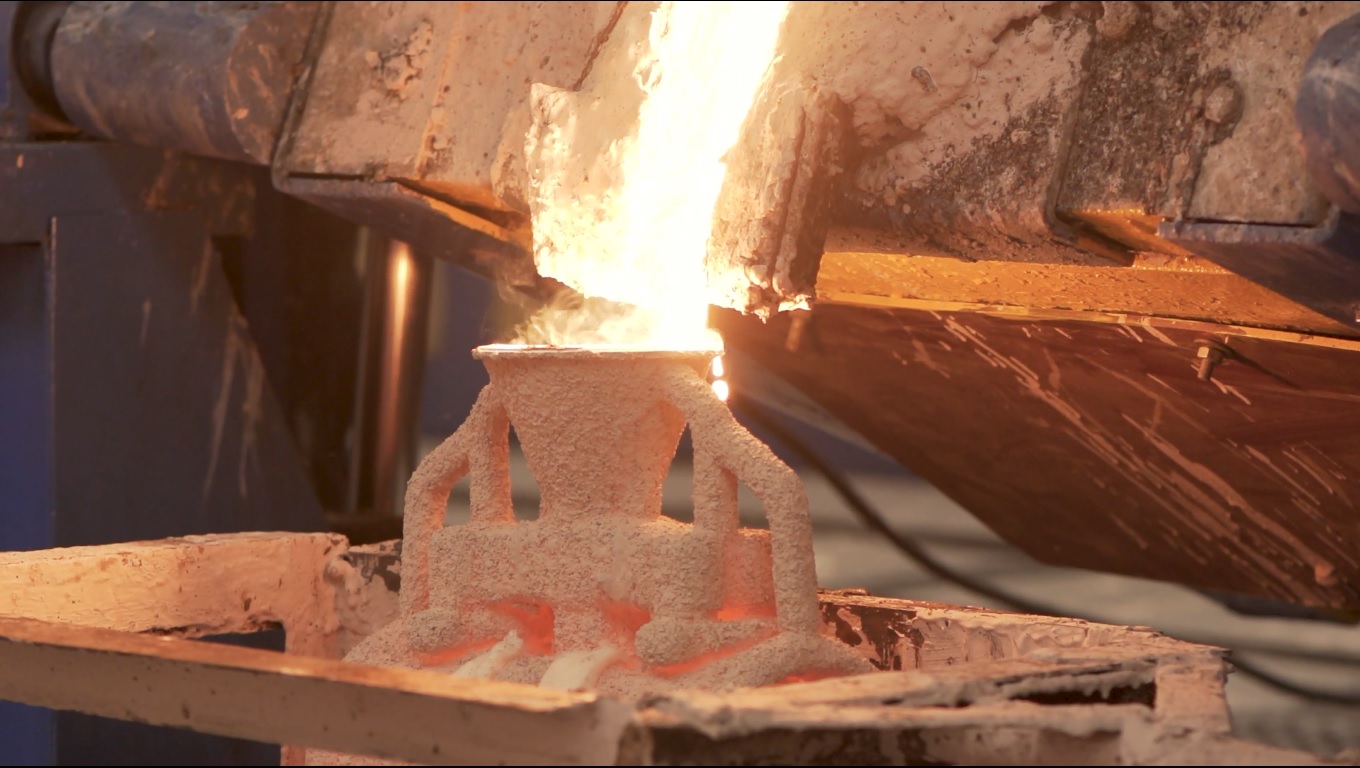
Molten metal is then poured or injected into the ceramic mold. After the metal cools and solidifies, the ceramic shell is broken away to reveal the final metal casting. Because the mold is destroyed during this process, every casting retains the high level of detail from the original wax model. This allows manufacturers to produce components with complex geometries, fine surface finishes, and precise dimensions without extensive machining.
Lost wax casting is commonly used with metals such as stainless steel, aluminum, copper alloys, and high-performance superalloys. It is widely applied in aerospace, automotive, medical, jewelry, and art industries, where precision and surface quality are critical. Although the process can be more labor-intensive and costly than other casting methods, its ability to reproduce intricate details and maintain dimensional accuracy makes it an ideal choice for high-value components.
Overall, lost wax casting remains a versatile and reliable method for producing metal parts that require exceptional detail, complex shapes, and superior surface quality. By combining traditional craftsmanship with modern materials and technology, this casting technique continues to meet the demands of both industrial and artistic applications.

 English
 Arabic
 French
 Spanish
 Portuguese
 Deutsch
 Turkish
 Dutch
Dutch
 Italiano
 Russian
 Romaian
 Portuguese (Brazil)