

Introduction
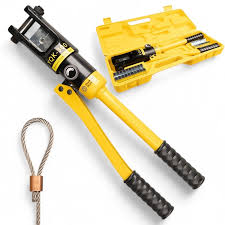
In a world driven by electrical systems, clean wiring, and reliable connections, small tools often carry the biggest responsibility. The crimping tool is one such unsung hero—quietly ensuring safety, durability, and performance across countless industries. While it may look simple, its role is anything but ordinary.
What Makes a Crimping Tool Essential?
At its core, a crimping tool is designed to join wires and connectors securely without soldering. But beyond that basic function lies its real value: consistency. A proper crimp creates a mechanical bond strong enough to withstand vibration, heat, and time.
From professional electricians to DIY enthusiasts, the crimping tool remains a preferred choice because it delivers predictable results. When done correctly, crimping reduces resistance, improves conductivity, and minimizes the risk of loose connections.
The Science Behind a Perfect Crimp
Crimping is not just about squeezing metal. It’s about controlled pressure. A quality crimping tool applies force evenly, reshaping the connector around the wire strands. This compression removes air gaps and prevents corrosion from forming later.
Unlike temporary fixes, a properly executed crimp becomes part of the wire itself. That’s why crimping tools are trusted in critical environments like automotive wiring, control panels, and industrial machinery.
Different Types of Crimping Tools and Their Uses
Not all crimping tools serve the same purpose. Some are engineered for insulated terminals, while others are made for non-insulated connectors, RJ plugs, or coaxial cables. Ratcheting crimping tools, for example, ensure full compression before releasing, eliminating guesswork.
There are also precision crimping tools built for delicate electronics, where accuracy matters more than force. Choosing the right type ensures efficiency and prevents damage to wires or connectors.
Why Professionals Rely on Crimping Over Soldering
While soldering has its place, many professionals prefer a crimping tool for speed and reliability. Crimped connections are less prone to failure in high-movement environments, making them ideal for vehicles and machinery.
Additionally, crimping avoids heat exposure, which can weaken wire insulation or components. This makes the process cleaner, safer, and more adaptable for fieldwork.
How a Quality Crimping Tool Improves Workflow
Using a well-designed crimping tool saves time and reduces rework. Ergonomic handles minimize hand fatigue, while precise jaws ensure uniform results across repeated connections. For technicians working on large projects, this consistency translates directly into productivity.
A reliable tool also reduces material waste. Poor crimps often require cutting and replacing connectors, but a dependable tool crimping gets it right the first time.
Choosing the Right Crimping Tool for Your Needs
Selecting the right crimping tool depends on application, wire gauge, and connector type. A mismatch can lead to weak connections or damaged terminals. That’s why understanding your specific requirements is crucial before investing.
Durability, jaw accuracy, and pressure control are key indicators of a quality tool. When chosen wisely, a crimping tool becomes a long-term asset rather than a disposable accessory.
The Future of Crimping Tools
As technology advances, crimping tools continue to evolve. Modern designs now focus on precision engineering, modular dies, and enhanced safety features. These improvements support increasingly complex electrical systems without compromising reliability.
Despite innovation, the core principle remains unchanged: strong connections matter. And the crimping tool will continue to be central to achieving them.
Final Thoughts on the Crimping Tool
The crimping tool may not grab attention, but its impact is undeniable. It bridges wires, systems, and technologies with precision and trust. Whether used in professional installations or personal projects, its value lies in creating connections that last.
In a world built on reliable power and communication, the crimping tool proves that true strength often comes from the smallest instruments.
Check Out More Latest Articles: Click Here

 Arabic
 French
 Spanish
 Portuguese
 Deutsch
 Turkish
 Dutch
Dutch
 Italiano
 Russian
 Romaian
 Portuguese (Brazil)
 Greek
Greek