

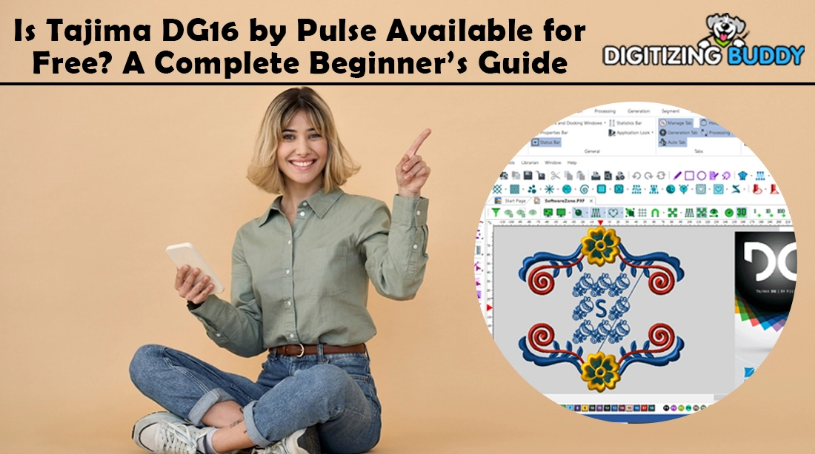
Embroidery looks simple at first. But when you try it, you see it needs care and skill. Clean lines, smooth stitches, and neat edges do not happen by luck. They come from the right steps and tools.In this guide, I will share easy tips from real work. These tips help you get sharp and neat results. Many experts use tools like Tajima Pulse Embroidery Digitizing to make designs clean and ready for machines.
Why Clean Embroidery Matters
A clean design looks more professional. It also lasts longer on fabric.
What Makes a Design Look Bad?
- Loose threads
- Uneven stitches
- Gaps in the design
- Poor alignment
These problems can ruin your hard work.
What Makes It Look Good?
- Smooth stitch flow
- Balanced spacing
- Strong edges
- Clear shapes
Start with a Good Design
Your final result depends on your design.
Choose Simple and Clear Artwork
Busy designs are hard to stitch.
Tips:
- Use bold shapes
- Avoid tiny details
- Keep lines clean
Use High-Quality Images
A blurry image leads to a poor stitch file.
Understand Your Fabric
Fabric plays a big role in embroidery.
Types of Fabric
- Cotton
- Polyester
- Denim
- Stretch fabric
Each fabric acts in a different way.
Match Design with Fabric
Example:
- Thick fabric = bold stitches
- Thin fabric = light stitches
This helps avoid damage and gives a neat finish.
Use the Right Needle and Thread
Small tools make a big difference.
Pick the Right Needle
Different needles work for different fabrics.
Common Types:
- Ballpoint needle (for stretch)
- Sharp needle (for woven fabric)
Choose Quality Thread
Cheap thread breaks easily.
Good Thread Gives:
- Smooth stitching
- Strong finish
- Bright color
Set the Right Machine Settings
Machine setup is very important.
Adjust Tension
Wrong tension causes loops and breaks.
Check:
- Upper thread
- Bobbin thread
Balance both for smooth stitches.
Set Proper Speed
Too fast can ruin the design.
Tip:
- Use medium speed for better control
Focus on Digitizing Quality
Digitizing is the heart of embroidery.
What is Digitizing?
It is the process of turning a design into stitch data.
Why It Matters
Bad digitizing gives bad results.
Good Digitizing:
- Follows the design shape
- Uses proper stitch type
- Keeps stitch flow smooth
From my work, I have seen that even a good design fails with poor digitizing.
Choose the Right Stitch Types
Different parts of a design need different stitches.
Common Stitch Types
Running Stitch
- For outlines
- Light and simple
Satin Stitch
- For borders and text
- Smooth and shiny
Fill Stitch
- For large areas
- Strong and dense
Using the right stitch type improves the look.
Keep Stitch Density Balanced
Too many stitches can damage fabric.
Too few stitches look empty.
Find the Balance
Tips:
- Adjust density based on fabric
- Test before final use
Use Underlay Stitches
Underlay is the base layer.
Why Underlay is Important
- Holds fabric in place
- Supports top stitches
- Improves design shape
Skipping this step can cause uneven results.
Hoop the Fabric Correctly
Hooping is a key step.
How to Hoop Properly
- Keep fabric tight
- Avoid wrinkles
- Place design at center
Use Stabilizer
Stabilizer supports the fabric.
Types:
- Tear-away
- Cut-away
- Wash-away
Pick the right one for your fabric.
Test Before Final Stitching
Never skip testing.
Run a Sample
Test your design on a scrap fabric.
Check:
- Stitch quality
- Thread breaks
- Alignment
Fix problems before final work.
Avoid Common Mistakes
Poor Digitizing
Leads to uneven stitches.
Wrong Thread Choice
Causes breaks and dull color.
Skipping Stabilizer
Results in loose fabric and bad shape.
Fast Machine Speed
Reduces control and quality.
Keep Your Machine Clean
A clean machine works better.
Simple Maintenance Tips
- Clean dust and lint
- Oil moving parts
- Check needle often
This helps avoid errors.
Real Experience Tip
In many projects, I saw the same issue.
A design looked perfect on screen. But after stitching, it looked messy.
The reason was simple. No test run.
Now, I always test first. It saves time and avoids waste.
Use Professional Services When Needed
Sometimes, a project is complex.
When to Get Help
- Detailed logos
- Large designs
- Bulk orders
Experts can handle these better.
A trusted name like Embroidery Digitizing Services in USA - Digitizing Buddy helps create clean and accurate stitch files. They use real skills and tools to ensure quality.
Advanced Tip: Keep Design Simple
Simple designs give better results.
Why Simplicity Works
- Easy to stitch
- Less thread breaks
- Clean finish
Avoid adding too many small details.
Advanced Tip: Plan Stitch Direction
Stitch direction affects the look.
How to Use It
- Follow shape flow
- Add depth
- Improve texture
Good direction makes the design look alive.
Advanced Tip: Use Proper Layering
Layering helps control stitch order.
Benefits
- Avoids overlaps
- Keeps design neat
- Saves time
Plan layers before stitching.
Build Trust with Quality Work
If you want to grow, focus on quality.
What Clients Want
- Clean finish
- On-time delivery
- Strong design
Brands like Embroidery Digitizing Services in USA - Digitizing Buddy focus on these points. This builds trust and long-term clients.
Keep Learning and Practicing
Embroidery is a skill.
Improve Your Skills
- Practice daily
- Try new designs
- Learn from errors
Stay Updated
New tools and methods come often. Keep learning to stay ahead.
Final Checklist for Clean Results
Before you start final stitching, check this:
- Design is clean
- Digitizing is correct
- Fabric is matched
- Needle and thread are right
- Machine settings are set
- Test run is done
If all is good, you are ready.
Final Thoughts
Getting clean and professional embroidery results is not hard. You just need the right steps.
Start with a good design. Use proper tools. Focus on digitizing. Test your work. Keep things simple and clean.
With time and practice, your results will improve.
And if you want expert help, working with Embroidery Digitizing Services in USA - Digitizing Buddy can give you top-quality results every time.
Keep learning. Keep stitching. And always aim for clean work.

 English
 Arabic
 French
 Spanish
 Portuguese
 Deutsch
 Dutch
Dutch
 Italiano
 Russian
 Romaian
 Portuguese (Brazil)
 Greek
Greek