

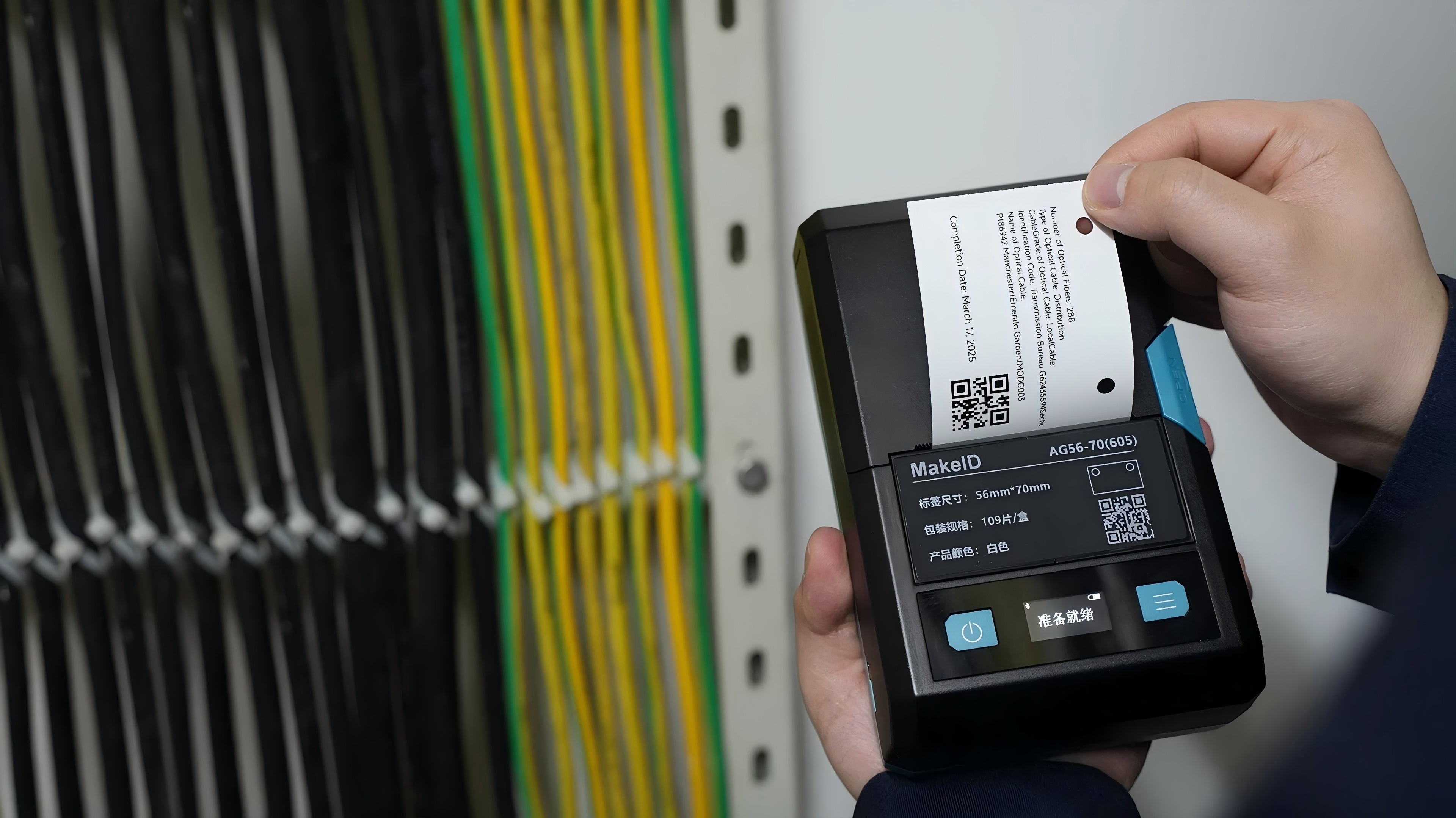
Warehouse operations today are no longer just about storage—they are about precision, speed, and real-time data. As order volumes grow and customer expectations rise, even small labeling inefficiencies can lead to major operational disruptions.
A modern warehouse label printing solution powered by an advanced barcode labeling system is essential for achieving consistent accuracy and scalable efficiency.
1. The Hidden Challenges Behind Warehouse Labeling
At first glance, labeling may seem like a simple task. But in reality, it sits at the center of nearly every warehouse process—from receiving and storage to picking and shipping.
Common operational challenges include:
- Misidentified inventory due to unclear or duplicated labels
- Disconnected workflows between labeling, scanning, and system updates
- Delays in fulfillment caused by slow or manual label generation
- Difficulty in tracking inventory movement across zones or facilities
- High dependency on labor, increasing operational costs
These issues compound over time, reducing overall warehouse performance and increasing the risk of costly mistakes.
2. Why Basic Label Printing Is No Longer Enough
Many warehouses still rely on entry-level label printing setups that cannot support complex logistics operations.
The limitations are clear:
- Standalone printing systems that lack real-time data connectivity
- Manual label creation, which slows down workflows and introduces inconsistencies
- Limited barcode support, restricting compatibility with partners and systems
- Inability to adapt to dynamic warehouse environments
In an era of automation and digital supply chains, these outdated methods create inefficiencies rather than solving them.
3. Key Features of a High-Performance Barcode Labeling System
To truly optimize warehouse operations, a barcode labeling system must function as an integrated, intelligent solution—not just a printing tool.
Real-Time Data Synchronization
Labels should be generated dynamically based on live data from WMS, ERP, or order management systems.
Automated Label Workflows
From goods receiving to final shipment, labels should be printed automatically at each stage without manual intervention.
Multi-Format Barcode Support
Support for industry-standard barcodes such as Code 128, QR codes, and Data Matrix ensures compatibility and flexibility.
High Durability Labeling
Labels must remain readable despite exposure to dust, moisture, and temperature changes.
Centralized Control with Distributed Printing
A unified system that allows centralized template management while enabling printing across multiple warehouse locations.
4. Our Approach to Warehouse Label Printing
We deliver a fully integrated warehouse label printing solution designed to address real-world operational challenges.
Smart Label Generation Engine
Our system automatically generates accurate labels based on incoming data, eliminating manual errors.
Industrial-Grade Printing Hardware
We provide robust printers capable of high-speed, high-volume output with consistent quality.
Custom Workflow Integration
Our solution seamlessly integrates with your existing WMS or ERP, ensuring smooth data flow across systems.
Flexible Label Design System
Easily create and modify label templates tailored to different warehouse scenarios—bins, pallets, cartons, and shipping labels.
On-Demand and Mobile Printing
Enable your workforce to print labels directly at the point of activity, improving efficiency and reducing movement.
5. Business Impact: From Chaos to Control
Adopting a modern barcode labeling system transforms warehouse operations in measurable ways:
- Up to 99.9% inventory accuracy through standardized labeling and scanning
- Faster order processing with automated label generation
- Reduced labor dependency, freeing up resources for higher-value tasks
- Improved traceability, enabling better compliance and reporting
- Seamless scalability, supporting business growth and multi-site operations
Ultimately, it turns labeling from a bottleneck into a competitive advantage.
6. Ready to Upgrade Your Warehouse?
If your current labeling process is slowing you down, it’s time to move to a smarter, more scalable system.

 English
 Arabic
 Spanish
 Portuguese
 Deutsch
 Turkish
 Dutch
Dutch
 Italiano
 Russian
 Romaian
 Portuguese (Brazil)
 Greek
Greek